A New Approach to Controlling Invasive Rodent Populations with CRISPR
Invasive species are a threat to biodiversity in ecosystems around the globe. In New Zealand, where native flora and fauna evolved without rodents, the introduction of rats and mice is causing major decline in native bird, reptile, and insect populations.
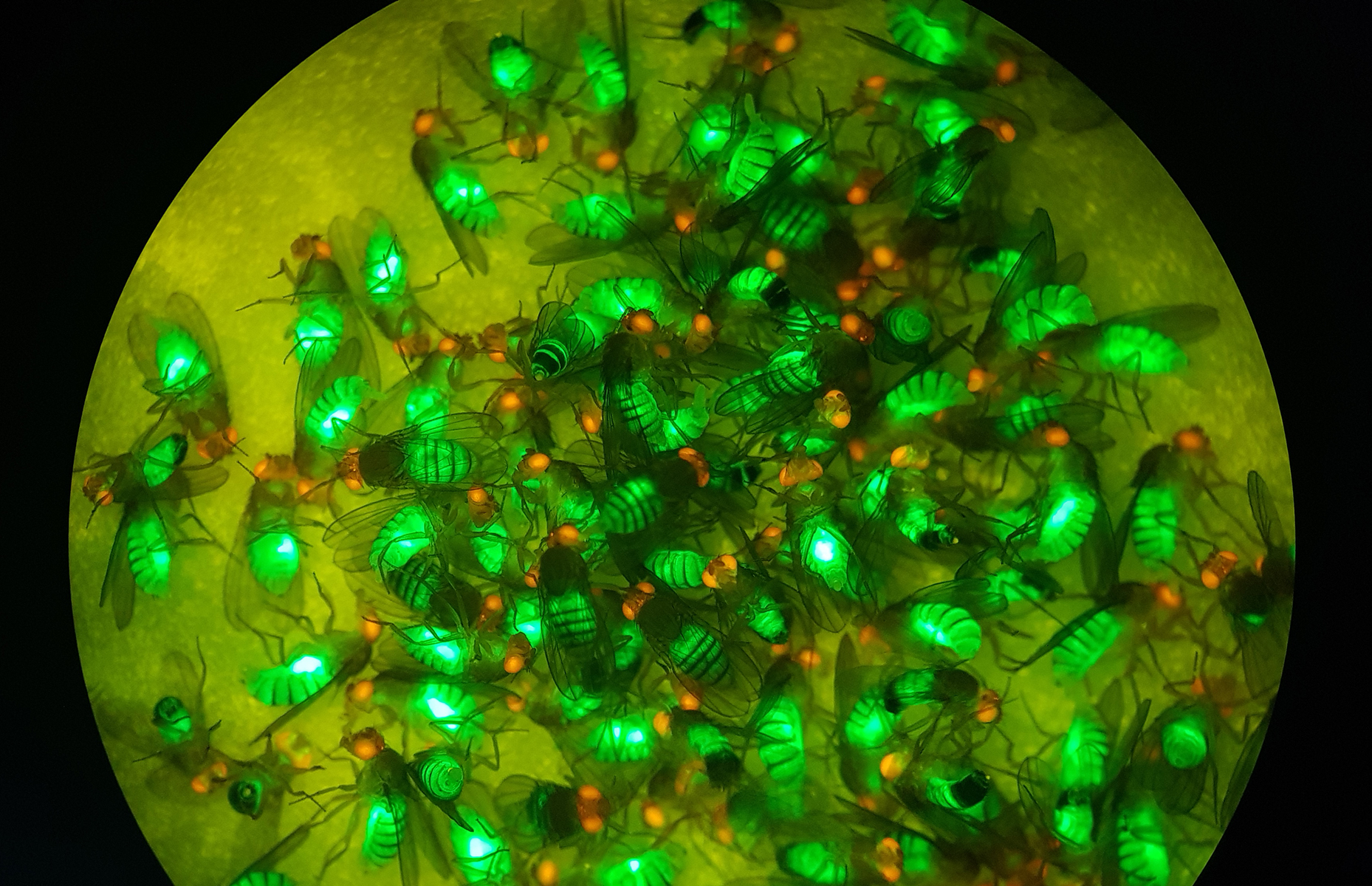
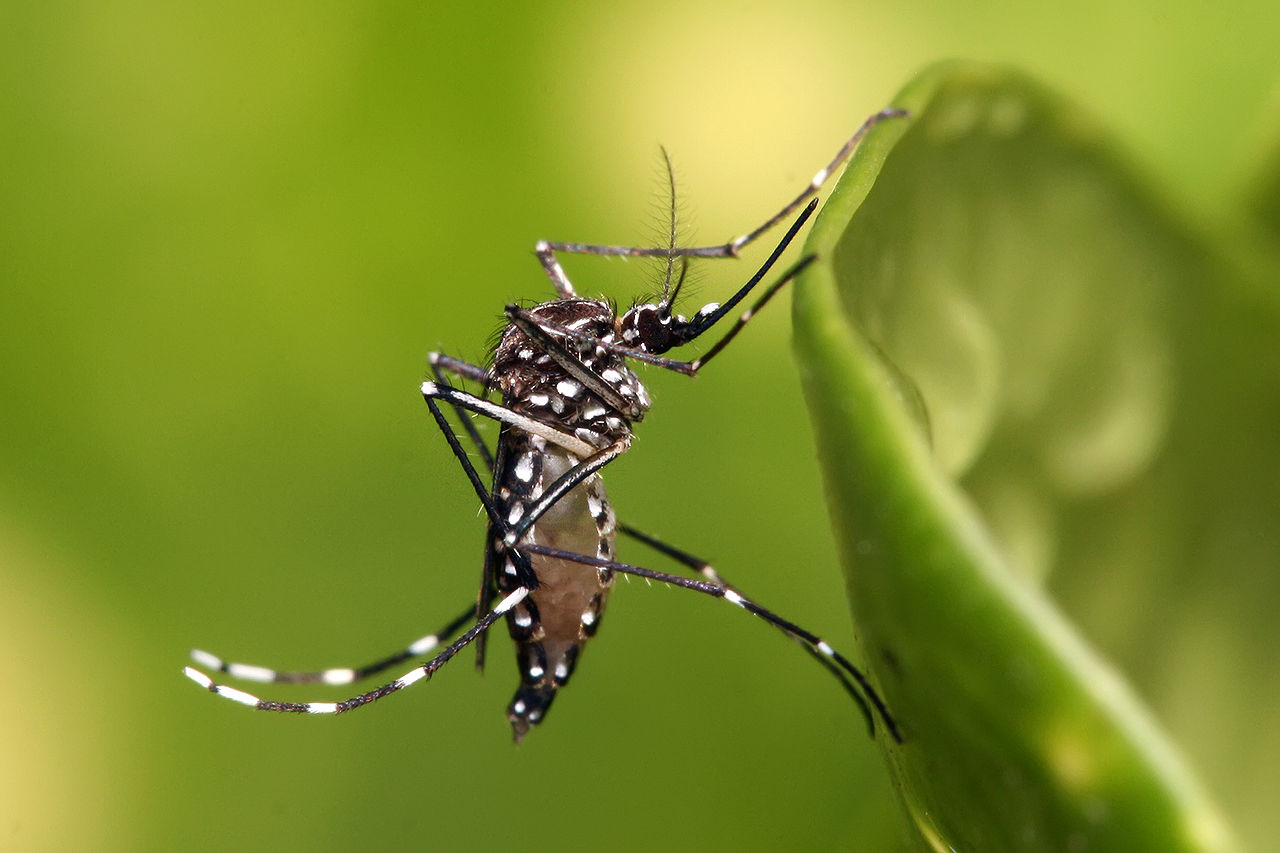
In a new paper published today in Molecular Biology and Evolution, IGI’s Prateek Verma and John Marshall, (UC Berkeley) collaborated with new IGI Investigator Omar Akbari (UC San Diego) to model a new approach to controlling rodent populations: Y-linked genome editors, or YLEs. YLEs, first theorized in 2018, work by introducing a gene on the Y chromosome in males that causes non-viability or infertility in female offspring by introducing a dominant mutation in a key gene for female health. In 2025, this was developed into a viable approach for managing mosquito populations to reduce the spread of diseases like malaria. The IGI group set out to ask if it could potentially work to manage or eliminate invasive rodent populations, too.


Right now, the most common approach to managing invasive rodents is the use of rodenticide poisons, but these have major downsides, including exposure and bioaccumulation risks in non-target species, high costs, and welfare impacts on the target species. Gene drives — a genome engineering technology that “drives” a gene through a population at an almost 100% inheritance rate — have been suggested, but if an animal with a population-decimating gene drive escaped to a non-target area, it could wipe out the population beyond the desired range.
The modeling work from Marshall et al show that YLEs are a viable alternative to gene drives that could control or eliminate invasive rodent populations in contained settings like New Zealand and its many small islands.
“This work helps define a potential middle ground between traditional rodenticides and fully self-sustaining gene drives — a system designed to suppress invasive populations while remaining manageable from both ecological and regulatory perspectives,” said Akbari. “What makes Y-linked genome editors exciting is that they combine the possibility of large-scale conservation efforts with a level of controllability that has been difficult to achieve with other approaches. Just as importantly, many of the molecular tools needed to build these systems already exist, making this a realistic path toward future conservation applications.”
“Once you release rodents with self-sustaining gene drives, they may spread autonomously through the population until the entire population collapses,” explains Verma. “But with YLEs, you can actually control the suppression effect by adjusting how many rodents you release into the ecosystem.”
YLEs lead to a decline in population whose speed and degree can be controlled based on how many edited rodents are released into the native population. If they were to escape to other settings, a single animal or small number of animals would not be capable of having a major impact on rodent populations. Read more here.

Read more: Prateek Verma, Omar S Akbari, John M Marshall. (2026). Y-linked editors for invasive rodent control, Molecular Biology and Evolution, Volume 43, Issue 7, July 2026, msag165, https://doi.org/10.1093/molbev/msag165
 By
Hope Henderson
By
Hope Henderson